How to Shop at an Independent Stationery Store: A Paper Lover's Checklist
October 31, 2026 - Stationery

October 22, 2026 - Daily Practice

You read a sentence that stops you — in a novel on the train, in an essay you almost skipped, in a letter from a friend. For a few minutes you are certain you will remember it. Two weeks later you remember the feeling and nothing else.
A commonplace book is the oldest fix for that problem. For centuries, readers kept one: a single notebook where they copied passages worth keeping, credited the source, and added a line of their own about why it mattered. Montaigne's essays grew out of notebooks like that, and John Locke published an entire treatise on how to index one. The method survives because it works. It turns scattered reading into a personal reference you can actually search and re-read.
What follows is a version you can run in a few minutes a day, with an index you will still understand in a year.
A diary records your days in order. A bullet journal tracks tasks. A draft notebook holds your own unfinished work. A commonplace book is organized by subject, holds other people's words next to your own reactions, and is built to be re-read and raided whenever you sit down to write or think.
The organizing principle is topic, not time. Write the date if it pleases you, but file the entry under Attention, or Craft, or Grief — whatever question it answers. That single decision is what makes the book useful five years later, when you can't remember what you read last spring but you can remember what you were trying to figure out.
Decide three things and move on:
If you already capture notes in an app, keep doing that for the things you need on your phone. But give the commonplace book one home and one rule: if it's worth keeping, it gets copied in.
One warning. Buying an expensive leather folio and a five-colour indexing system is a well-documented way to never make a second entry. Start plain. Ugly notebooks get used.
The index is the difference between a commonplace book and a notebook full of nice sentences. Reserve the first four pages for it.
Keep the topics broad. A category like "Metaphors about weather in nineteenth-century fiction" collects one entry and dies. "Craft" collects forty and stays alive. You can always narrow later with a subheading written in the margin.
Every entry has the same three parts, in the same order. It takes about forty seconds.
Here is what that looks like on the page:
p. 22
"Tell all the truth but tell it slant —" — Emily Dickinson, poem 1129
Mine: Indirection isn't dishonesty. It's a way of making a truth carryable. Try opening the essay with the scene instead of stating the argument flatly.
The comment is where the book becomes yours. Without it, you're just accumulating good sentences, and a collection with no reactions in it is hard to use and harder to love.
Most beginners index by source. Six months later they can't remember which author they were excited about, only which problem they were chewing on. So file each entry under the question it answers.
When an entry belongs in two places, list it twice: "Attention — 22, 41; see also Craft — 41." A little redundancy in the index saves a lot of flipping later.
For questions that keep pulling you back, start a thread. Give it a number and a page of its own — Thread 3: why does indirection persuade? — and mark that number in the margin beside every related entry. Once a book has two or three threads running through it, it stops being storage and starts being thinking.
Don't try to write entries while you read. Keep a slip of paper or a stack of sticky notes in the book and jot the page number when something lands. Transcribe in a batch, later, at your desk. If you don't care enough to copy it a second time, you don't need it.
Then hold a short weekly review, ten minutes at most:
Once a month, skim the index. Look for categories with only one entry and consider folding them into something broader. Remove entries you copied because they seemed like the sort of thing you should like. Pruning is part of the method, not a failure of it.
None of this needs a weekend of preparation. Take the book you're reading now. Copy one line that stopped you. Credit it. Write two sentences about why. Number the page, add the topic to your index, and close the book.
That's a commonplace book — not a plan for one, but the thing itself. Give the system six months before you redesign it. The version that works is the one with messy pages, a worn index and a few entries you no longer agree with.
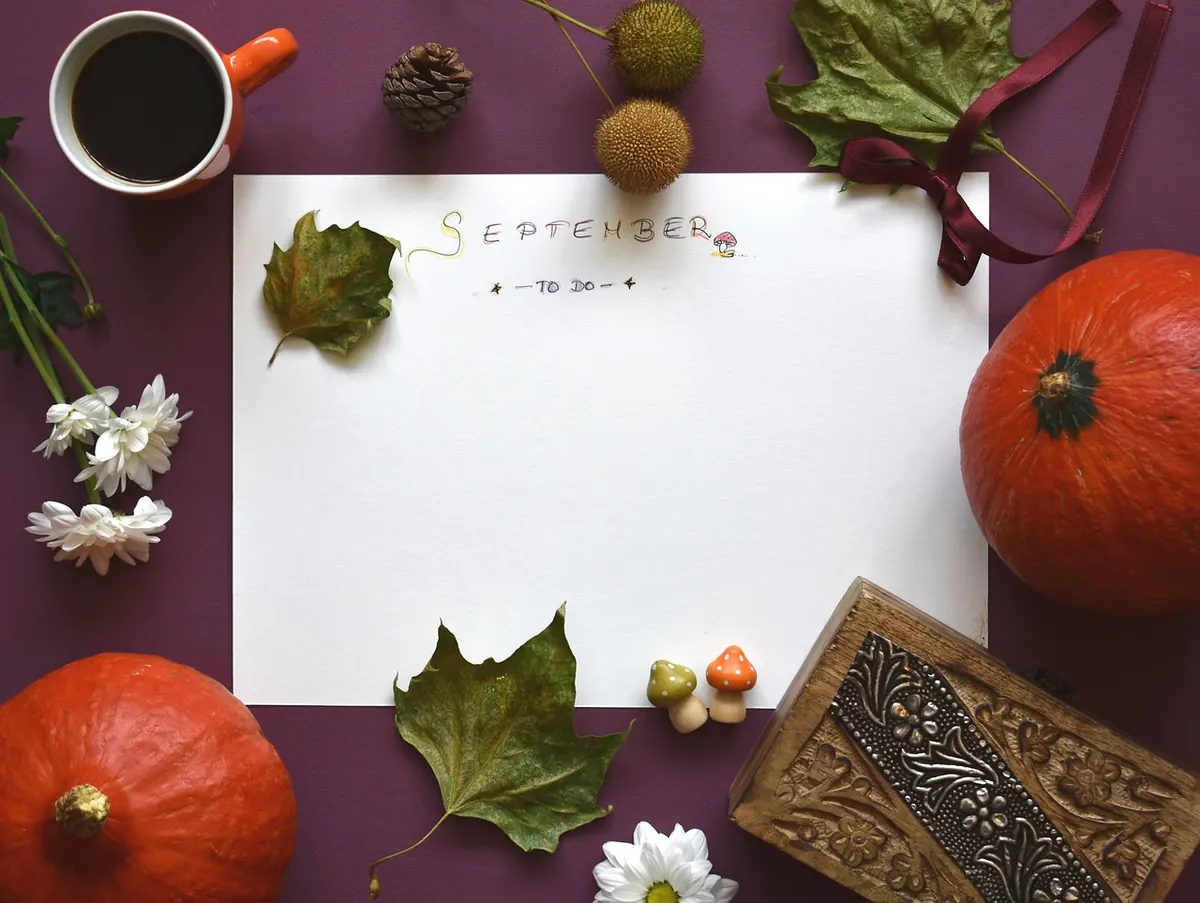
Photo: Katrina_S / Pixabay

A practical checklist for shopping at independent stationery shops: how to test paper, ask the right questions about...

A practical comparison of brush pens and dip pens for new calligraphers, covering control, setup, cleanup, cost and...
Copyright © 2026 Amanuense Ogni Giorno. All Right Reserved.